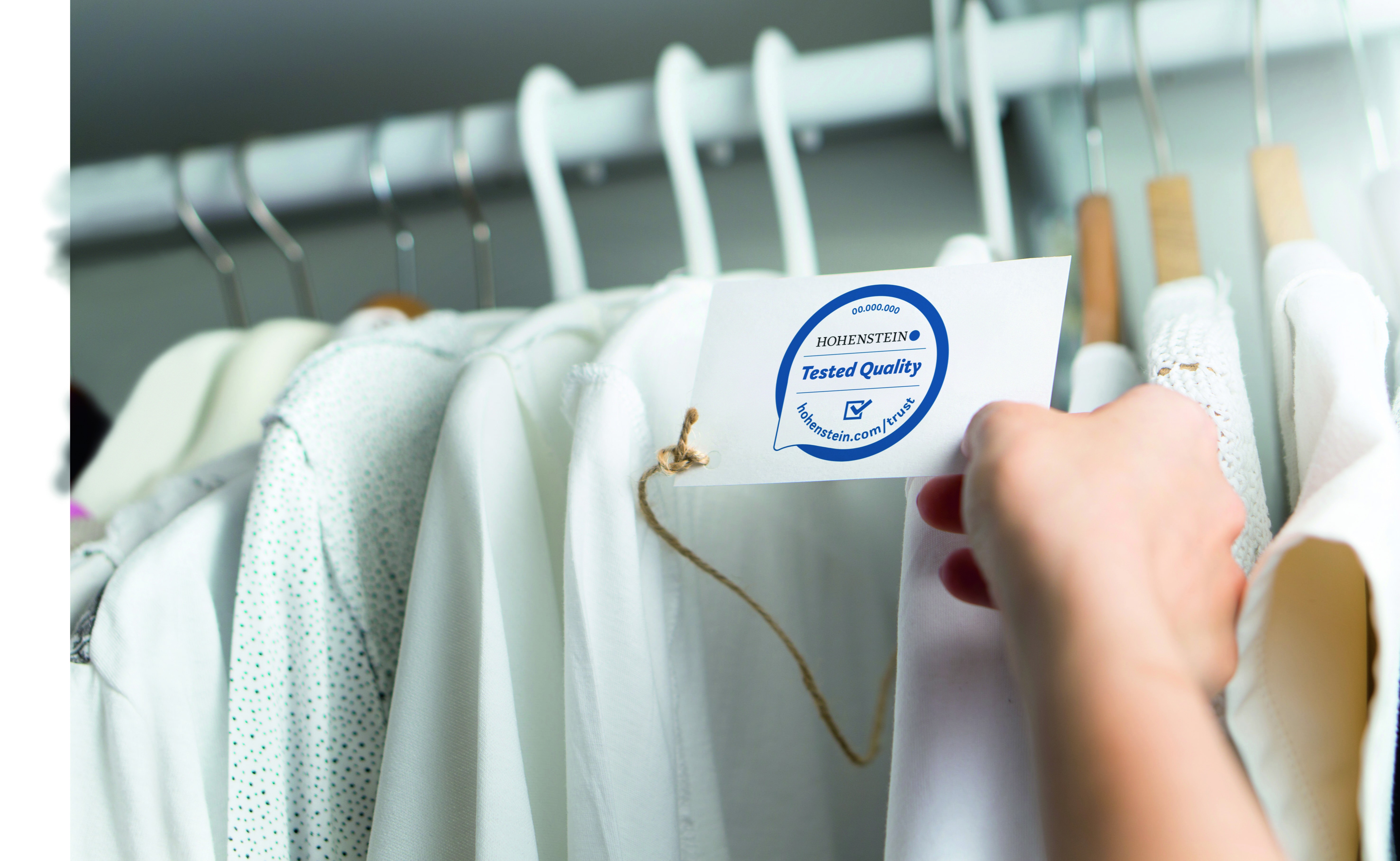
In the world of retail, trust is the ultimate currency. For small businesses and artisans, building that trust from the ground up is one of their biggest challenges. You might make the most incredible, ethically sourced, handcrafted products, but how do you scream that from the rooftops in a way that busy, skeptical consumers will believe?
\r\n\r\nThis is where the dilemma of the quality label comes in.
\r\n\r\nOn one hand, these third-party certifications are powerful shortcuts to consumer trust. On the other, they can be expensive, time-consuming, and bureaucratic—a potential nightmare for a lean operation.
\r\n\r\nSo, is pursuing a formal certification worth it for a small brand? Let’s break down the trade-offs.
\r\n\r\nThe Powerful PROS: Why a Small Biz Might Take the Leap
\r\n\r\n- \r\n
- \r\n
Instant Credibility and Trust: You can say you’re “organic” or “sustainable” until you’re blue in the face. A certification from a reputable body says it for you, with authority. It instantly elevates your brand above the noise of unverified marketing claims and validates your mission in the eyes of retailers and consumers.
\r\n \r\n - \r\n
Justify Your Price Point: Small-batch, ethical production is expensive. If you’re charging more than a mass-produced competitor, you need a clear reason why. A certification provides a tangible, defensible explanation for that premium. It tells the story of your higher quality ingredients, your fair labor practices, or your sustainable processes—and gives customers a reason to value it.
\r\n \r\n - \r\n
Access to New Markets & Retailers: Many eco-conscious retailers (like Whole Foods, Thrive Market, or specialty stores) often require certain certifications just to get on their shelves. Having that seal can be your golden ticket to distribution channels that were previously out of reach.
\r\n \r\n - \r\n
It Improves Your Own Operations: The process of getting certified forces you to meticulously document your supply chain, ingredient sourcing, and production methods. This audit, while arduous, can reveal inefficiencies, strengthen your relationships with suppliers, and solidify your own internal standards. You don’t just get a badge; you get a better-run business.
\r\n \r\n
The Daunting CONS: The Realities of the Certification Grind
\r\n\r\n- \r\n
- \r\n
The High Cost: This is the biggest barrier. Costs include application fees, annual renewal fees, and the cost of the audit itself. For a certification like USDA Organic, this can run into thousands of dollars per year—a significant line item for a business already operating on thin margins.
\r\n \r\n - \r\n
The Time and Administrative Burden: The paperwork is monumental. You’re tracking every ingredient, every supplier invoice, and every process. The hours spent compiling documents for an audit are hours not spent on product development, marketing, or sales. For a solopreneur, this overhead can be crushing.
\r\n \r\n - \r\n
The Risk of "Certification Saturation": There are so many labels out there. If your target audience isn’t familiar with a specific certification, its power is diluted. Will your customers recognize the “Certified B Corp” logo, or will it just blend into the packaging? You have to educate them on the label’s meaning, which is an additional marketing cost.
\r\n \r\n - \r\n
It’s Not a Magic Bullet: A certification might get a customer to pick up your product, but it won’t make them love it. The product itself—its quality, design, and taste—is still king. The label is the promise; the product is the delivery. You can’t skip the fundamentals.
\r\n \r\n
The Middle Ground: Transparency Without Certification
\r\n\r\nSo, what if you can’t afford a formal certification yet? All is not lost. The ultimate goal is transparency, and there are other ways to achieve it:
\r\n\r\n- \r\n
- \r\n
Radical Ingredient Transparency: List every single ingredient and its source on your website. Tell the story of where it comes from and why you chose it.
\r\n \r\n - \r\n
Behind-the-Scenes Content: Use social media and your blog to show your process. Introduce your team. Tour your workshop. This humanizes your brand and builds trust directly with your audience.
\r\n \r\n - \r\n
Partner with Other Certified Brands: If you can’t get certified yourself, source your key ingredients from certified suppliers (e.g., use certified organic cocoa butter) and highlight that on your packaging.
\r\n \r\n - \r\n
Get Tested: For claims like “non-toxic” or “heavy-metal free,” you can pay for a one-time lab test from a place like EWG or SCS Global Services and publish the results, even without a full-scale certification process.
\r\n \r\n
The Verdict
\r\n\r\nPursuing a quality label is a strategic decision, not a moral one.
\r\n\r\n- \r\n
- \r\n
It's likely WORTH IT if: Your product is in a crowded category where certification is a key differentiator (e.g., organic skincare, fair trade coffee), you’re targeting a highly conscious consumer, or you need it to access specific retailers.
\r\n \r\n - \r\n
You might WAIT if: You’re still in the early startup phase, your customer base already knows and trusts you through direct relationships, or the cost would critically endanger your business.
\r\n \r\n
For small businesses, the path to trust isn't one-size-fits-all. Whether through a formal seal or a commitment to radical transparency, the goal remains the same: to build a brand that people believe in.
\r\n