-
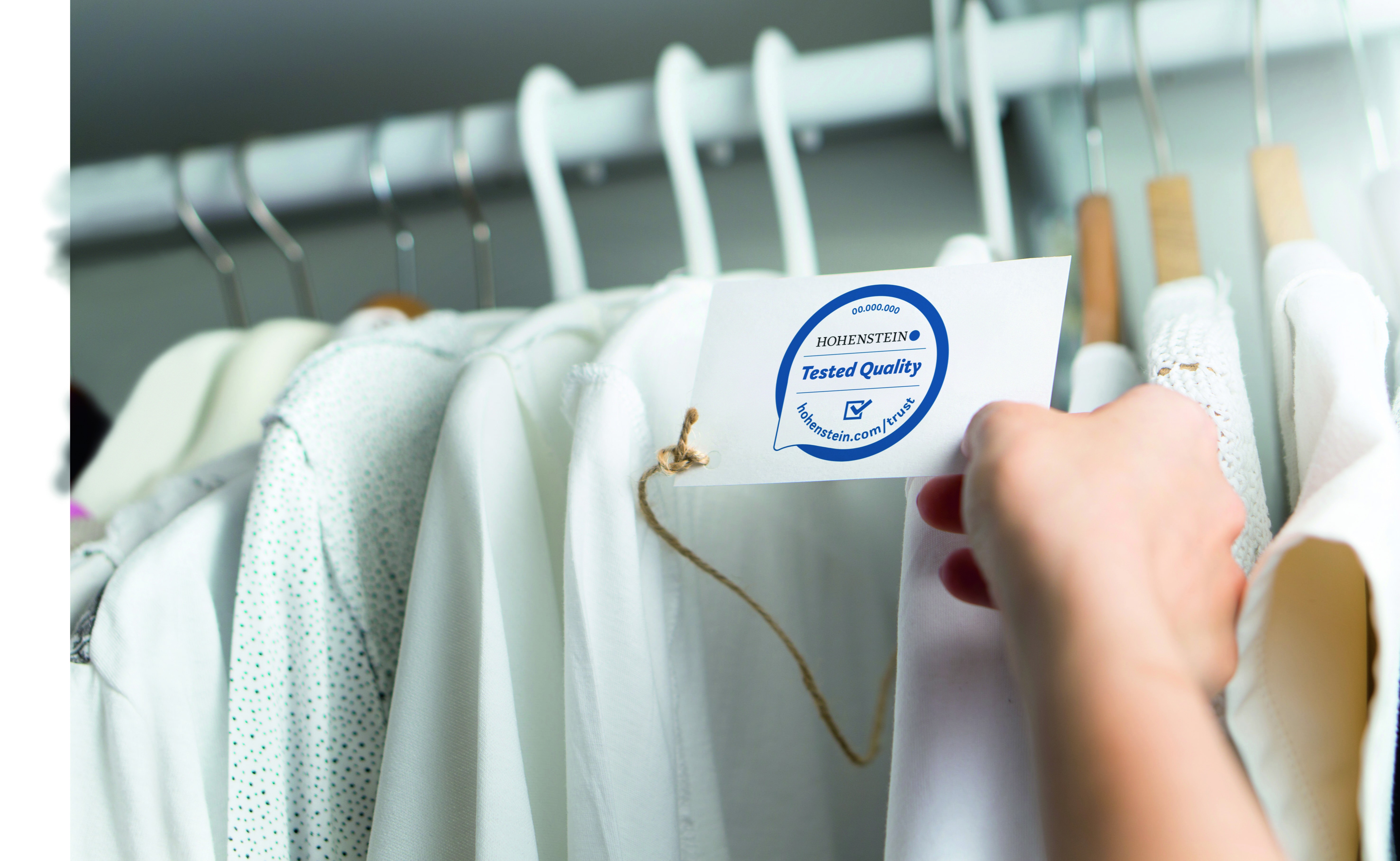
You’ve done it. You’re standing in the grocery aisle, holding two similar products. One has a shiny “Certified B Corp” logo. The other doesn’t. You choose the certified one, feeling confident in your decision.
But have you ever wondered about the immense effort, the meticulous processes, and the unwavering commitment that went into earning that small, yet powerful, seal?
A quality label isn’t just a finish line; it’s the culmination of a long, rigorous journey. Today, we’re pulling back the curtain on what it really takes for a brand to earn your trust.
It Starts With a Commitment (That’s More Than Just Words)
The journey begins long before any paperwork is filed. It starts with a company’s core mission—a fundamental belief in doing business differently. This isn’t a marketing strategy; it’s a value system. A company must decide that prioritizing the planet, its people, and transparent practices is non-negotiable.
This intrinsic commitment is crucial because the path to certification is hard. It requires significant investment of time, money, and resources. Without a genuine "why," many businesses would give up.
The Grueling Process: More Than Just a Checklist
Contrary to what some might think, you can’t just pay a fee and get a label. Reputable certifications involve a multi-step process of verification:
-
The Self-Assessment (The Reality Check): The company must first conduct a deep internal audit against the certification’s standards. This means examining everything from ingredient sourcing and supply chain logistics to factory working conditions and carbon footprint. This stage alone can take months and often reveals areas for improvement.
-
The Paper Trail (Proving It): Documentation is king. Certifiers need proof. This isn’t about promises; it’s about invoices, training manuals, soil health reports, wage records, and third-party lab tests. Companies have to build a verifiable paper trail that proves their practices match their claims.
-
The Third-Party Audit (The Test): This is the most critical phase. An independent auditor—an expert with no vested interest in the company—conducts a thorough review. This isn’t just a desk job. For many certifications, this includes surprise on-site visits to farms and factories, interviews with employees, and physical inspections of facilities. It’s designed to ensure everything is as it seems on paper.
-
Continuous Improvement (It Doesn’t End): Certification isn’t a one-and-done event. To maintain their status, companies must be recertified every 1-3 years. Standards evolve and often become stricter, meaning businesses must continuously improve their practices to keep up. It’s a cycle of constant, verified betterment.
-
Because they believe the return on investment isn’t just measured in sales (though that is a factor), but in integrity, impact, and trust.
What This Means For You, The Conscious Consumer
When you understand the effort behind the emblem, your shopping choices become even more meaningful.
-
That label is a shortcut to trust. You don’t have to research a company’s entire supply chain. A credible certification has already done that heavy lifting for you.
-
You are supporting a ripple effect. By choosing a certified product, you’re not just buying a better item for yourself. You’re financially supporting the farmers who are paid fair wages, the businesses that invest in sustainable packaging, and the companies that prioritize their employees' well-being. You’re making their difficult journey worthwhile.
-
You’re encouraging more businesses to do better. Every time you choose a certified product, you send a powerful market signal that ethics and quality matter. This inspires other brands to embark on their own certification journeys.
-
The Real Cost: An Investment in Values
Pursuing a quality label is a significant financial investment. There are fees for the application, the audit, and the ongoing use of the logo. But the larger cost is operational: reforming supply chains, upgrading facilities, training staff, and implementing new tracking systems.
For a small business, this can be a monumental undertaking. So why do they do it?